SEO
What does an SEO audit include? Scope, process and how to judge a good report.
What an SEO audit should cover: indexing, architecture, content, Core Web Vitals, structured data, links and AI visibility, and how to judge the report.
An SEO audit is the most common starting point for improving a site’s visibility. The problem is that almost anything is sold under that name: from an automated PDF to a weeks-long analysis. Before you pay for one, it helps to know what a reliable audit should include and how to tell whether a report is worth anything. That is what this article is about.
What an SEO audit is
An SEO audit is an analysis of everything that limits a website’s visibility in Google and in AI-powered search. Its goal is not to list every issue, but to answer three questions: what is blocking growth, what to fix first and how to check that the fix worked.
Eight areas of a good audit
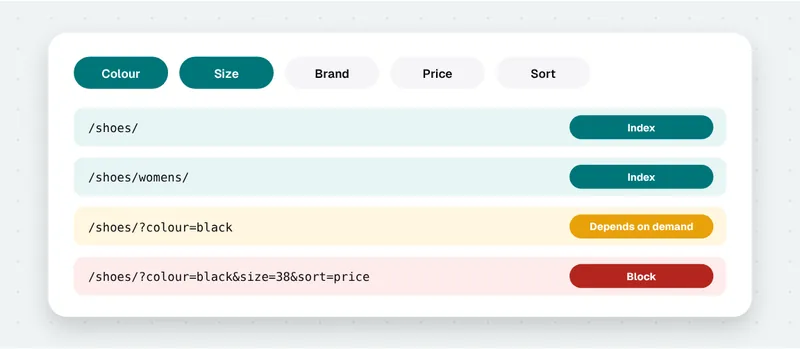
- Indexing and crawling. Whether important pages are indexed and unnecessary ones (filters, parameters, duplicates) are excluded. On large sites this is usually where the biggest potential lies.
- Architecture and internal linking. Whether key pages are close to the homepage, categories are logically structured and no pages are left without internal links.
- Content and search intent. Whether pages answer what people search for, whether several pages compete for the same keywords and what content is missing.
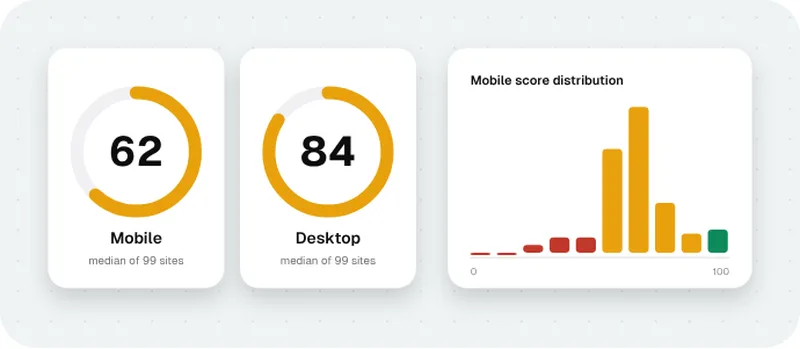
- Performance and Core Web Vitals. Speed and stability on real devices, with a focus on phones. More on this on the technical SEO page.
- Structured data. Valid and complete markup: organisation, products, breadcrumbs, FAQ.
- Backlink profile. Where links come from, how you compare with competitors and whether any sources are risky.
- AI visibility (GEO). How ChatGPT, Perplexity and AI Overviews describe your brand and who they recommend instead of you. I explain how to improve it in GEO in practice.
- Data reliability. Whether GA4 and Search Console measure correctly before we base decisions on them. This is also part of my analytics work.
Online stores add product pages, variants, filters and handling of out-of-stock products. I cover store-specific issues on the e-commerce SEO page.
How the audit works
- Kick-off call. Business goals, key services or categories, site history and known problems.
- Access. Google Search Console and Google Analytics 4, ideally read-only. For stores, view access to the admin panel helps.
- Analysis. Site crawl, Search Console and analytics data, content, competitors, links and AI answers.
- Report. A task list with priorities, reasoning and implementation instructions.
- Walkthrough. A meeting where we go through the findings and agree the order of work.
How to recognise a good audit report
A good report:
- starts with the most important problems and leaves minor issues for last,
- gives examples of specific URLs, not just general advice,
- includes developer instructions and a way to verify the fix,
- reflects business context: which pages make money and which do not,
- is understandable to someone who does not work in SEO every day.
When to get an SEO audit
An audit makes sense when traffic is falling or flat, before a migration or redesign, before choosing an SEO agency and at the start of working with a new specialist. See what it costs and how I run it on the SEO audit page, and read about other pricing models in how much does SEO cost.
Sources
- Google Search documentation - Google Search Central
- Creating helpful, reliable, people-first content - Google Search Central
- AI features and your website - Google Search Central
Was this article helpful?
Great, glad it helped!
Sorry to hear that. Tell me what was missing and I will improve it: [email protected]
About the author. Maciek - SEO & GEO consultant with 10+ years of experience, formerly Head of SEO at companies including Gemini Polska and Staples Solutions. More about me